Stretching is a simple yet powerful way to improve your body’s flexibility, reduce muscle tension, and increase circulation. Whether you’re looking to ease morning stiffness, enhance your workout routine, or simply feel more relaxed, stretching at home can be a convenient and effective practice. This beginner’s guide will walk you through everything you need to know to get started with stretching safely and confidently.
Why Stretching Matters
Stretching offers numerous benefits beyond just feeling looser. It helps:
– Increase blood flow to your muscles
– Improve range of motion in your joints
– Reduce the risk of injury during daily activities and exercise
– Alleviate muscle stiffness and soreness
– Promote relaxation and reduce stress
Incorporating a regular stretching routine into your day, even if it’s just 10 to 15 minutes, can make a noticeable difference in your comfort and mobility.
Preparing to Stretch at Home
Before you begin stretching, consider these tips to create a safe and comfortable environment:
Choose a Quiet, Spacious Area
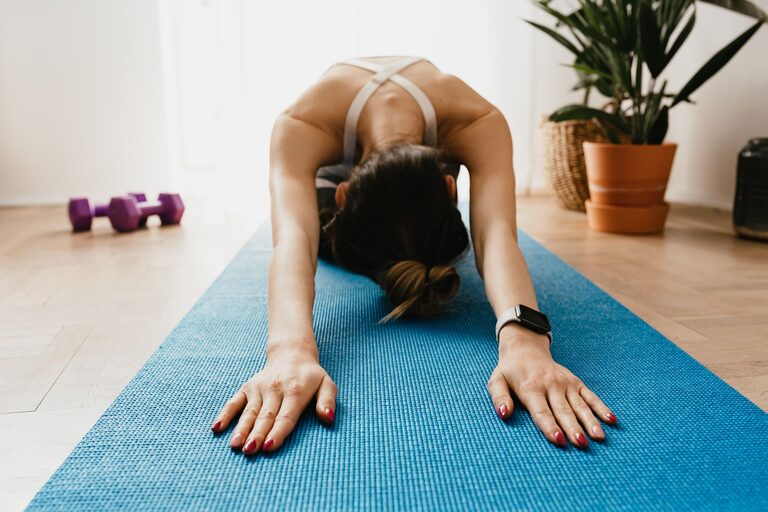
Find a spot where you can move freely without bumping into furniture or slipping on slick floors. A yoga mat or soft carpet can provide cushioning.
Dress Comfortably
Wear loose or stretchy clothing that won’t restrict your movement.
Warm Up Briefly
Stretching cold muscles can cause injury. Warm up with 3-5 minutes of light cardio such as walking in place or gentle marching.
Listen to Your Body
Stretch to the point of gentle tension, never pain. If you feel sharp or intense discomfort, ease up or stop.
Basic Stretching Techniques for Beginners
There are two common types of stretching: static and dynamic. Both can be beneficial depending on your goals.
Static Stretching
This involves holding a stretch in one position for 15-30 seconds. It’s best for improving flexibility and calming the body after exercise.
Dynamic Stretching
This includes controlled, smooth movements that take your joints and muscles through their full range of motion. It’s a great way to warm up before physical activity.
Simple Stretches to Try at Home
Here are some beginner-friendly stretches targeting major muscle groups:
Neck Stretch
– Sit or stand tall with shoulders relaxed.
– Slowly tilt your head to the right, bringing your ear toward your shoulder.
– Hold for 20 seconds and repeat on the left side.
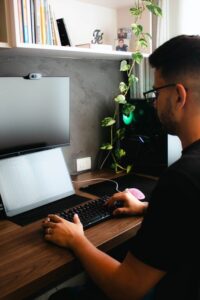
– This helps relieve neck tension from screen time.
Shoulder Stretch
– Bring your right arm across your chest.
– Use your left hand to gently press the arm closer to your chest.
– Hold for 20-30 seconds, then switch sides.
– This stretch improves shoulder mobility and eases tightness.
Chest Stretch
– Stand in a doorway with arms bent at 90 degrees, hands on the frame.
– Step one foot forward, feeling a gentle stretch across your chest.
– Hold for 20-30 seconds.
– This counters slouching and opens the chest.
Cat-Cow Stretch (Spine)
– On all fours, inhale and arch your back, lifting your head and tailbone (Cow).
– Exhale and round your back, tucking your chin and pelvis (Cat).
– Repeat 5-10 times.
– This dynamic stretch improves spinal flexibility and reduces back stiffness.
Hamstring Stretch
– Sit on the floor with one leg extended and the other bent with the foot touching your thigh.
– Reach toward the toes of the extended leg, keeping your back straight.
– Hold for 20-30 seconds, then switch legs.
– This stretch helps with lower back and leg flexibility.
Quadriceps Stretch
– Stand near a wall or chair for support.
– Bend your right knee and grasp your ankle to bring your heel toward your buttocks.
– Keep knees close together and hold for 20-30 seconds.
– Repeat with the other leg.
– This targets the front thigh muscles.
Calf Stretch
– Stand facing a wall, placing your hands on it.
– Step one foot back, pressing the heel into the floor.
– Keep the back leg straight and bend the front knee.
– Hold for 20-30 seconds, then switch legs.
– This stretch helps prevent tight calves and improves ankle mobility.
Creating Your At-Home Stretching Routine
To build a balanced stretching practice, aim to:
– Include stretches for all major muscle groups.
– Hold static stretches for 15-30 seconds each.
– Perform 1-2 rounds of your routine.
– Stretch at least 3-4 times per week.
You can stretch anytime during the day — after waking up, before or after exercise, or in the evening to unwind.
Safety Tips for Home Stretching
– Avoid bouncing or jerking motions while stretching, as this can cause injury.
– Don’t stretch cold muscles; warm up first.
– Modify stretches if you have any joint issues or injuries, and consult a professional if you’re unsure.
– Stay hydrated and practice deep breathing during your routine to enhance relaxation.
Final Thoughts
Stretching at home is an accessible way to support your physical health without needing special equipment or a gym membership. By dedicating just a few minutes each day to these simple stretches, you can enjoy improved flexibility, reduced muscle tension, and a greater sense of well-being. Start slow, listen to your body, and make stretching a regular part of your self-care routine.
Ready to start? Roll out your mat, find a quiet corner, and stretch your way to a more flexible, comfortable you!