Creating a calm and inviting environment at home starts with the colors you choose. Calm colors help reduce stress, promote relaxation, and can make your space feel more open and welcoming. Whether you’re repainting a room or decorating from scratch, selecting the right calming hues is key. This guide offers practical tips to help you choose calm colors that perfectly suit your home.
Why Choose Calm Colors?
Calm colors are typically soft, muted shades that evoke tranquility and comfort. They can influence your mood and how you feel in a space. For example, cool tones like blues and greens often remind us of nature and water, creating a serene atmosphere. Meanwhile, neutral tones provide a clean, simple backdrop that pairs well with any decor style.
Consider the Room’s Purpose
Before picking colors, think about how you will use each room:
– Bedroom: Choose colors that promote rest and relaxation, such as soft blues, gentle greens, or warm greys.
– Living Room: Opt for inviting tones like muted earth colors or pastel shades that encourage calm socializing.
– Kitchen: Light colors like creamy whites or soft yellows can provide energy without overwhelming the senses.
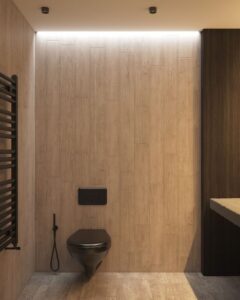
– Bathroom: Light blues, pale greens, and neutral tones create a spa-like feel perfect for unwinding.
– Home Office: Opt for colors that help concentration yet keep you calm, such as soft greys or light greens.
Understand the Psychology of Colors
Each color can affect mood differently, so it’s helpful to be aware of these effects:
– Blue: Often associated with calmness and stability. Great for bathrooms and bedrooms.
– Green: Symbolizes nature and renewal, bringing a restful vibe to any room.
– Lavender and soft purples: Offer a peaceful, soothing energy without being too bold.
– Beige, taupe, and warm greys: Neutral calming colors that work well as a base palette.
– Soft pinks: Subtle, warm, and comforting when used appropriately.
Avoid overly bright or saturated colors if your goal is tranquility, as they can be stimulating rather than calming.
Tips for Selecting the Right Calm Colors
1. Test Paint Samples in Your Space
– Paint small patches on different walls.
– Observe how the color changes throughout the day with natural and artificial light.
– This helps avoid surprises after painting the entire room.
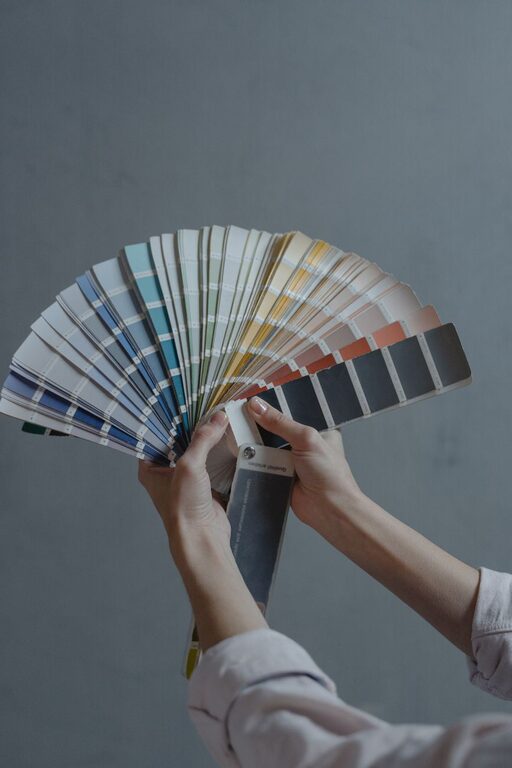
2. Use Color Palettes for Guidance
– Many paint brands offer curated palettes designed to create calm and cohesive looks.
– Choose two or three complementary shades—one as the main color, one accent, and one secondary tone.
3. Consider the Finish
– Matte or eggshell finishes usually enhance calmness by avoiding glare.
– High-gloss finishes might reflect too much light and feel less soothing.
4. Incorporate Natural Elements
– Pair calm colors with natural materials like wood, stone, or plants.
– This enhances the relaxing atmosphere and brings a touch of the outdoors inside.
5. Balance Warm and Cool Tones
– Too many cool tones can feel cold; adding soft warm accents can create balance.
– Similarly, too many warm tones may feel heavy without cool, calming touches.
Creating a Cohesive Look with Calm Colors
To keep your home feeling calm yet interesting:
– Use variations of the same color throughout adjacent rooms for flow.
– Incorporate textures such as soft fabrics, rugs, or cushions in calm colors.
– Add minimal, thoughtful decor items that complement your chosen palette.
Avoiding Common Mistakes
– Choosing based on trends alone: Trends change quickly; pick colors you genuinely find calming.
– Ignoring lighting: Artificial and natural light deeply affect how colors appear.
– Overloading with too many colors: Stick to a simple palette to maintain calmness.
– Not considering furniture and flooring: Make sure your paint colors harmonize with existing elements.
Final Thoughts
Choosing calm colors is a wonderful way to enhance your home’s comfort and appeal. By understanding color psychology, testing samples, and thoughtfully coordinating your choices, you’ll create spaces that feel peaceful and inviting every day. Remember, calm doesn’t mean boring—there’s plenty of room to express your personal style while keeping tranquility at the core.
Start experimenting with soft blues, gentle greens, warm neutrals, or any soothing shade that speaks to you, and watch how your home transforms into a calming retreat.