
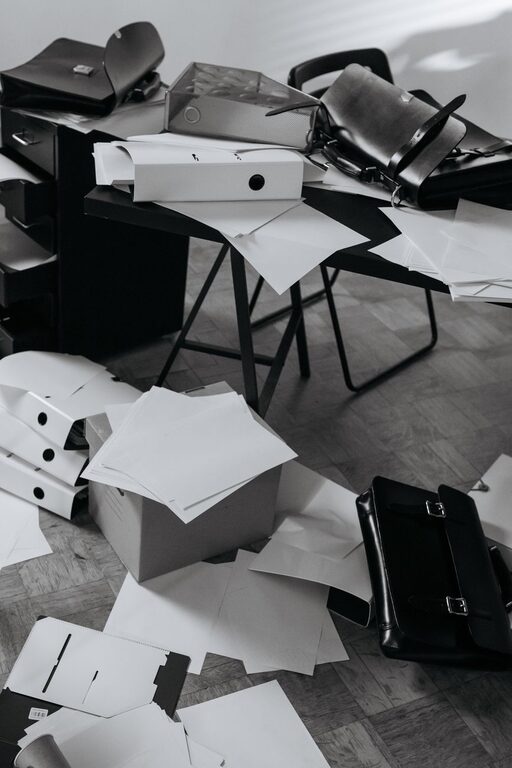
Paper clutter is a common challenge in many households. From bills and receipts to school papers and junk mail, piles of paper can quickly take over desks, counters, and drawers. Reducing this clutter not only creates a tidier living space but also helps reduce stress and improve productivity. The good news is, with some simple habits and smart solutions, you can keep paper clutter under control and enjoy a more organized home.
Why Paper Clutter Happens
Before diving into solutions, it’s helpful to understand why paper clutter accumulates:
– Infrequent sorting: When mail and documents pile up without regular review, clutter builds.
– Lack of storage: No designated place for papers leads to stacks forming.
– Keeping too much: Saving items “just in case” adds unnecessary paper.
– Paper habits: Frequent printing or holding onto physical copies when digital versions exist.
Recognizing these causes can help target your efforts effectively.
Simple Habits to Cut Down Paper Clutter
1. Sort Mail Immediately
One of the biggest sources of paper clutter is mail. Open your mail as soon as it arrives and sort it into three piles:
– Action: Bills to pay, invitations to RSVP, forms to fill out.
– Keep: Important documents like warranties or statements.
– Recycle: Junk mail, advertisements, and outdated papers.
Dispose of the recycle pile right away to avoid a buildup.
2. Go Paperless When Possible
Many bills, bank statements, and newsletters offer paperless options. Signing up for electronic delivery has several benefits:
– Saves space by reducing incoming paper.
– Makes it easier to find documents using digital search.
– Is environmentally friendly.
Set up e-bills and opt out of physical mail where you can.
3. Have a Dedicated Paper Station
Create a clear, organized spot in your home for managing papers. This could be a desk, a filing cabinet, or a desktop organizer. Make sure it includes:
– An inbox tray for incoming papers.
– Folders labeled by category (e.g., bills, receipts, school).
– A shredder nearby for quick disposal of sensitive documents.
Having a designated spot encourages prompt sorting and keeps papers from spreading around.
4. Schedule Regular Decluttering Sessions
Set a recurring time — weekly or monthly — to review your paper station. During this time:
– File important papers in long-term storage.
– Shred or recycle items no longer needed.
– Update your labels or folders if necessary.
Regular maintenance prevents the clutter from piling up again.
5. Use Digital Tools for Organization
Technology can be a great ally in reducing paper clutter. Try:
– Scanning and saving important documents using apps on your phone.
– Storing files in cloud services like Google Drive or Dropbox for easy access.
– Using budgeting or bill tracking apps to monitor finances without paper printouts.
Switching to digital copies helps minimize physical storage needs.
6. Limit Printing
Be mindful of what you print. Ask yourself:
– Do I really need a hard copy?
– Can I read or annotate this document electronically?
When you must print, keep the number of copies small and recycle or shred immediately once they are no longer needed.
Organizing and Storing Papers
If you need to keep physical documents, proper storage is key.
Use File Folders and Cabinets
– Sort papers by category: taxes, medical, warranties, school, etc.
– Use color-coded folders or labels to make retrieval easier.
– Store the folders in a filing cabinet, box, or portable file tote.
– Keep frequently used folders within easy reach.
Store Sentimental Papers Thoughtfully
For items like cards, children’s artwork, or important letters:
– Use a scrapbook or memory box to keep everything tidy.
– Limit the space allocated so you only keep what fits.
– Consider digitizing before storing to save space.
Tips for Handling Kids’ School Papers
School papers can be particularly overwhelming. Try these ideas:
– Create an “incoming” folder for each child.
– Regularly go through the folder together and decide what to keep.
– Photograph artwork and school projects, then recycle originals.
– Display favorites on a corkboard or fridge temporarily.
Recycle and Shred Responsibly
Paper should be recycled whenever possible, but sensitive documents require shredding to protect personal information. Make shredding a regular habit and keep a shredder accessible.
Final Thoughts
Reducing household paper clutter doesn’t require drastic measures. Simple habits like sorting mail immediately, going paperless, and keeping an organized paper station can make a big difference. With regular care and smart storage solutions, your home can stay neat and stress-free.
Try implementing one or two of these tips this week, and you’ll be on your way to a clutter-free space in no time!